

Focus Area: Circular Materials Economy
This is the focus area for you if you want to explore these questions:
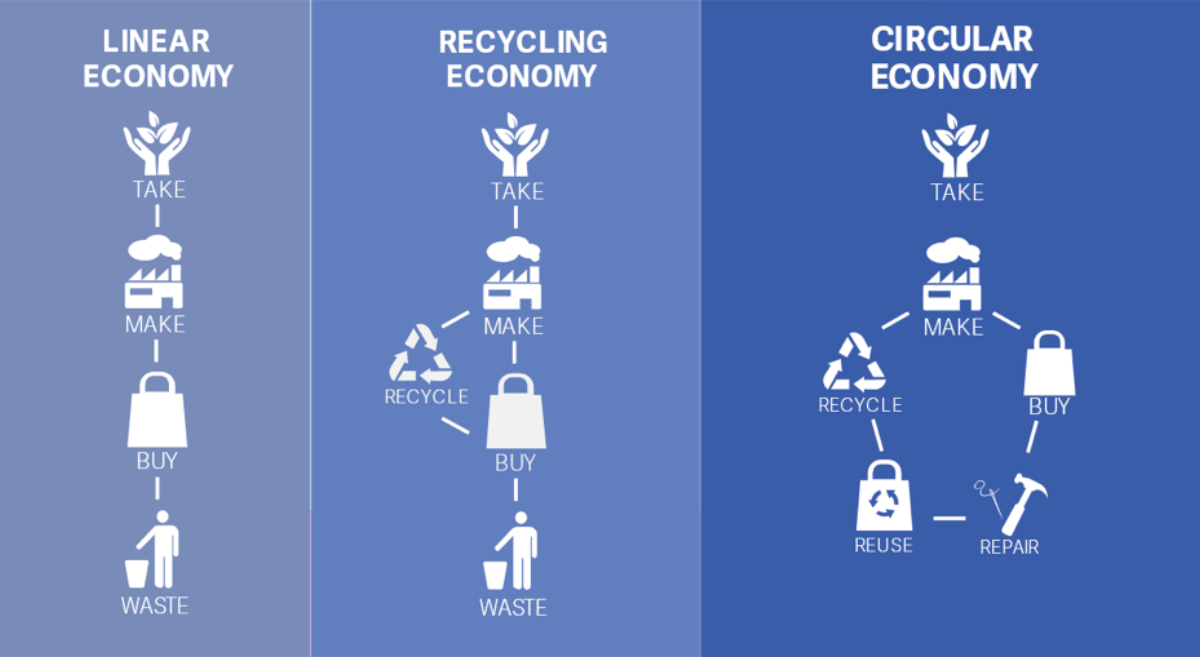
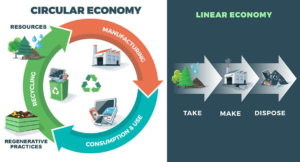
• How can we go beyond our recycle-compost-landfill approach to create a closed loop of goods and services in which nothing goes to waste?
• How do we reduce our demands on the natural world by using recycled and refurbished raw materials and products.
Topics might include:
Food systems and food choice | Consumption | Policy and legislative work | Current data | Innovation in zero waste systems
CIRCULAR MATERIALS ECONOMY
BOULDER’S LEADERSHIP
We’ve been working for decades to become a zero waste community. We’re making great progress, but need to move beyond recycling and composting to limit the creation of waste materials to begin with.
The City of Boulder and most other U.S. communities who measure emissions from waste historically only include emissions from materials that are already wasted.
If emissions associated with our consumption were figured in, then emissions associated with our “stuff” would be 60% higher.
CREATING CIRCULARITY
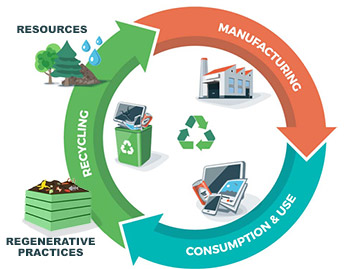
A circular model builds economic, natural and social capital based on three principles:
• Design out waste and pollution
• Keep products and materials in use
• Regenerate natural systems
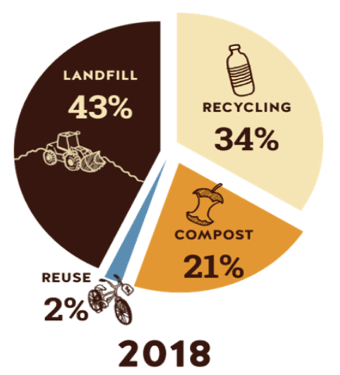
2018 COMMUNITY WIDE DIVERSION RATE – 57%
Efforts to date have been focused on achieving our zero waste goal of 85% waste diversion by 2025. For decades we have focused on ensuring access to – and participation in – recycling and composting programs.
• Urban Metabolism Study - evaluating materials flows into and out of Boulder to identify high-leverage “hot spots” to create a more circular economy.
• Food systems focus - Reducing food waste and addressing food choice are among the top climate solutions globally.
• Procurement - Driving change by leveraging our large purchasers of goods.
• Reuse-focused Innovation Hub - A vision to create a circular economy innovation center to support new business ideas.
• Legislative work- Driving state and federal policy initiatives to address problem materials.
PLANNED ACTIONS
GAME CHANGERS
CIRCULAR CHARLOTTE
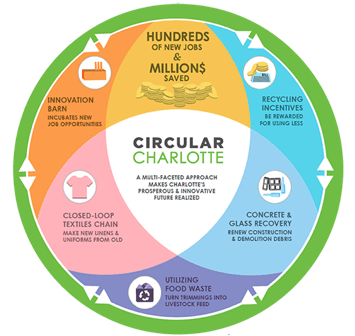
The city of Charlotte, NC developed a circular economy plan in order to reduce waste and boost economic development. Their “Circular Charlotte” report estimates that the program could capture up to $111 million in value. This strategy aims to help address city-wide issues such as economic and social mobility.
AMSTERDAM SHARING ECONOMY
Amsterdam has developed a proactive approach to the sharing economy to enable the city, businesses and residents to reap the benefits from sharing platforms. The plan sits alongside the city’s circular economy activities, and innovations have sprung from it that increase access to and use of public and private assets, including the sharing of household items, space, modes of transport and even food.
MAKING GREEN COMMERCE MAINSTREAM
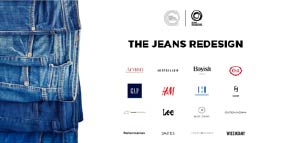
The Jeans Redesign Guidelines set out minimum requirements on garment durability, material health, recyclability and traceability. Based on the principles of the circular economy, the guidelines will work to ensure jeans last longer, can easily be recycled, and are made in a way that is better for the environment and the health of garment workers.
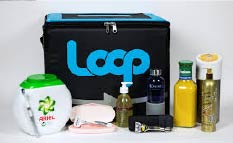
Loop is a reusable ecommerce shopping platform that sells name brand products in long-lasting packaging that is designed for multiple reuse before ultimately being recycled.
Learn More About Circular Materials Economy
from these helpful resources, websites, and stories
Zero In On The Issue:
The concept of Zero Waste refers to the conservation of all resources by means of responsible production, consumption, reuse, and recovery of all products, packaging, and materials, without creating harm to the environment or human health which comes from burning, burying or dumping on land or sea. Check out our extensive topic page.
Why zero waste is a climate solution
Eco-Cycle explains why addressing waste and consumption is a critical climate solution. Visit Site
What is the Circular Economy?
The Ellen MacArthur Foundation is at the forefront of defining and driving circular economy concepts. Read and listen to learn what “circular economy” is all about.
Cities and the Circular Economy
Exploration of how important cities are to the transition to a circular economy. Visit Site
Circular Charlotte Report
Charlotte has adopted a circular economy strategy as their economic model for the city. This report by Metabolic, who are Boulder’s circular economy consultants as well, outlines how to make it happen. Download PDF
Recently Submitted Comments & Suggestions
Let’s Look At: Humans as part of ecosystem not separate – returning to right relationship with the rest of our community of plants and animals Mental health and processing the grief of extinction Boulder Housing Partners sequestration on all properties, trees, gardens, compost with community involvement Heavy timber/CLT Boulder as a prooving ground Signs for yards drawing down carbon (education/inspire)
Show Recently Submitted Comments & Suggestions
- Actions to improve, repair/share economy
- Foster a reuse economy
- Local H2O filter recycling
- Have tariffs or quotas on worst environmentally destructive things (meat, cement …?)
- More by the trash education – more frequent compost and recycling
- Take only what you need, use everything you take, ask first, message about reducing consumption
- Use fabricate + homeless population to make basic clothes locally so we don’t have to import from china and homeless have another work training program
- Hefty bottled drinking water tax to fund public drinking water fountains (freeze resistant, year-round) like Chautauqua Ranger Station
- List of items that you recommend we avoid purchasing
- Stop shopping campaigns
- Engage multiple points on the value chains
- Change culture – new story
- Put a price on waste and single use items
- Reduce water consumption
- Work to legalize grey water systems in Colorado
- Gather things from seniors – downsizing and redistribution
- Increase plastic bag fee to drive change or BAN THEM
- As excited I am about zero waste, waste is 2% of GHG inventory, so shouldn’t we concentrate on higher impact targets?
Events focused on Circular Materials Economy
View our robust and searchable Community Calendar to find out who’s taking action, where and when. Film screenings, community dialogues, panels, marches, workshops, meditations, and more—with thousands of events happening throughout the Boulder Community, there’s no shortage of ways to get involved.
Circular City of Boulder: Community Visioning Event
November 13 Join us to envision ways we can shift to a circular materials economy in Boulder. Imagine a city that functions like an ecosystem. No waste. No impacts. Self-sufficient. Resilient and regenerative by design. We need your help in visioning what this transition should look like and how to take it forward in a way that improves our city for everyone who lives here. Community Room at the Open Space and Mountain Parks facility. Details & Registration
America Recycles Day: Free Battery Collection Event
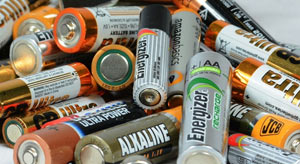
November 15 In honor of America Recycles Day, the Resource Conservation Division is hosting its second annual battery collection event at the Hazardous Materials Management Facility (1901c 63rd Street, Boulder) to promote safe and responsible disposal of batteries. For more information, visit boco.org/batteries
Wasted! The Story of Food Waste
November 20 eTown is excited to announce the continuation of Green Screens, an environmental documentary and community engagement series that will further discussion and action around climate and environmental issues. The second film in the series, WASTED! The Story of Food Waste, aims to change the way people buy, cook, recycle, and eat food. Tickets here.
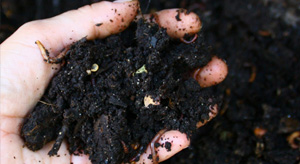
Attend a Compost Workshop
Tturn your food and yard waste into valuable soil! Learn how to start and maintain a highly efficient backyard compost system including what to feed your compost pile, appropriate bins and methods for our geographic region, tips, troubleshooting, and much more. See Workshop Schedule
Local Organizations Addressing Circular Economy
inspiring and promoting creativity, resource conservation,
and community engagement through reuse of materials for art supplies
and community engagement through reuse of materials for art supplies
Sustainable, Just-In-Time Food Rescue in Boulder, Colorado!
working to transform the water laws and landscape in Colorado, creating innovative approaches to working within our local water budget
Eliminating hunger in Boulder and Broomfield Counties through engagement, collaboration, and leadership.
Dedicated to harvesting and distributing the surplus urban fruit growing throughout Boulder, Colorado
One of the largest non-profit recyclers in the USA and with an international reputation as a pioneer and innovator in resource conservation
providing and promoting alternatives to individual car ownership, thereby reducing the environmental and social impacts associated with motor vehicle use
Celebrating the overlooked culinary bounty of our city streets and quantifying this resource on an interactive map
Redirecting Perishable Food – Just in Time!

a full-service grocery store and the easiest way to shop for zero-waste, local, and organic groceries
One-stop-shop for business sustainability in Boulder County
Cultivating, educating, and inspiring student leaders to start zero waste programs on college and university campuses.
improving resilience and tackle climate change through food and healthy soil on local farms and ranches
Dedicated to improving the health of each student by providing healthy food and offering nutrition education programs to grow young bodies and minds.
a 27 acre “Regenerative Slow Food Farm” managed using methods inspired by nature’s self-sustaining ecosystems
Working to manage surplus agriculture and reduce on-farm food loss statewide through gleaning, experiential education, research and legislative advocacy
Combining a library style service with sophisticated tracking technology in order to eliminate the need for paper and plastic to-go cups
dedicated to helping people save water, reduce waste, and conserve energy
Boulder is working to become a zero waste community, reducing the waste we create and then reusing, recycling and composting most of what we throw away. Our goal is to generate new materials from 85 percent of our waste by 2025.
Should your organization be listed?
Site Partners


This site is intended to be for the community, by the community, to promote initiatives that support climate action and a just transition to new energy systems.
Site partners are nonpartisan and do not operate, control or endorse any information, products or services on externally linked pages and event listings.
BoCo Climate Justice Hive • Boulder.Earth
PO Box 1624 Boulder, CO 80306 USA • hive@boulder.earth