Pollinators In Our Community

The Low-Down:

You’ve probably already heard that life’s hard for a pollinator these days, but to give a quick snapshot of just how hard, we turn to the Go Bee Friendly Program for more:

“Nature’s pollinators are dying off in massive numbers. In recent years, beekeepers report they’re losing on average 30% of all honey bee colonies each winter — twice the loss considered economically tolerable. Scientists point to several causes behind the problem, including global warming, habitat loss, parasites and a class of bee-killing insecticides known as neonicotinoids (or neonics). When seeds are treated with neonics, the chemicals work their way into the pollen and nectar of the plants — which, of course, is bad news for bees and other pollinators. Worse, for the bees and for us, neonics are about 6,000 times more toxic to bees than DDT.

We’re calling on the EPA to take bee-killing pesticides off the market, but in the meantime, there’s plenty we can all do this spring and summer to help save our beloved and crucial pollinators.”

Local Organizations Addressing Pollinators

Protecting birds and the places they need, today and tomorrow
A voice for pollinators, organizers of the Boulder Pollinator Appreciation Month Celebrations, offering workshops around town.
Spreading knowledge of gardening and to stimulate and promote interest in home gardens, civic projects, and beautification of the Boulder area
Working to foster an appreciation of invertebrates by educating the public about the need to protect and care for threatened habitats globally, while conducting research for solutions in invertebrate conservation
Community-Led, Nature-Based
Climate Action.
designing and creating edible and pollinator-friendly gardens and leading communities of volunteers to create connections with the land
Growing Gardens
non-profit with the Mission to cultivate community through sustainable urban agriculture and Vision of people experiencing a direct and deep connection with food, the land and each other
Contributing to the knowledge of the natural world and human history through research, teaching, and public education
protecting people and pollinators by advancing sustainable agricultural practices, new safeguards for public health, and improvements for our environment across Colorado
Program providing expertise in addressing solutions within the context of built and natural environments, providing students with unique advantages
Dedicated to improving the health of each student by providing healthy food and offering nutrition education programs to grow young bodies and minds.
Providing many hands-on learning opportunities for students, including tips, tools and resources for starting, maintaining or expanding school gardens in the BVSD Garden As A Classroom Manual
Providing seed packets from the seed library for growing flowers and edible plants at home and organizing The Edible Learning Garden
Educating members and the community about local environmental issues - from public lands and wildlife protection to climate change, renewable energy alternatives and pollinator protection
pollinator nonprofit that focuses on investing in our communities through water-wise, native pollinator gardens, education on ecological habitats and our native bee species in Colorado
Sending the call for community members to take an active role in protecting our open spaces and wildlife
the heart of the global wilderness community for over 40 years protecting wilderness while meeting the needs of human communities, working across cultures and boundaries by collaborating with local peoples, organizations, the private sector, and governments to create dynamic practical projects, inspiring solutions and communications initiatives
dedicated to helping people save water, reduce waste, and conserve energy

Should your organization bee listed?

Steps You Can Take to Help Pollinators

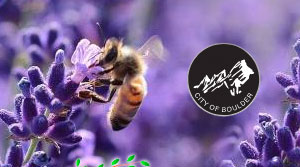
Like all living things, bees need healthy food and a place to live and rear their young. Check out the City of Boulder’s collection of tips to help pollinators. Learn more today!

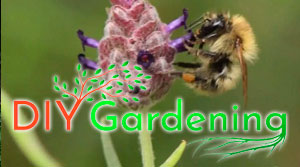
Actionable Steps for Gardeners to Protect the Bee Population 

In this DIY Gardening guide, Hannah Miller presents how any gardener, anywhere in the world, can take a few simple steps to help prevent the decline of these incredible crucial insects. Learn why and how!

Take the Pollinator Safe Neighborhood Pledge!

You can be a part of a regional landscape solution to create a state-wide pollinator haven in Colorado! Take the pledge and transform your neighborhood.

Plant flowers that bloom all season long!  

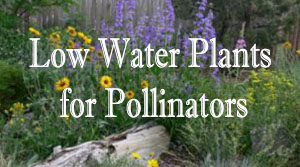
Pollinators need food from spring to fall, so plant as many flowers as you can of different colors, shapes and types to create a smorgasbord of nectar and pollen. These low water plants are perfect for pollinator gardens in our climate and this guide shows you which plants bloom during each season.

What’s The Buzz

POLLINATOR GARDEN RESOURCES FROM THE CITY

Come back often. This page will be updated with new resources and materials, notices of workshops and events, as well as updates about how this program is moving forward with the city, partner organizations and residents. Click here to go there: https://bouldercolorado.gov/planning/pollinator-garden-resources

The Role Bees Play In Pollination

Bees play a crucial role in maintaining healthy ecosystems. As pollinators, they contribute significantly to plant reproduction, biodiversity, and food production. Their work affects both wild plants and agricultural crops, ensuring the sustainability of numerous plant species. Without bees, many ecosystems would struggle to thrive, which would lead to reduced food supplies for humans and wildlife alike. Understanding the role of bees in pollination is essential to appreciating their contribution to our environment and the urgent need to protect them. This resource list has great info on bees as pollinators.

ALL ABOUT BEEKEEPING & FLOWERS THAT ATTRACT BEES

This resource page from Avas Flowers was recommended by Corrine, who found it very helpful for her project in Earth Science class. It is a nice little overview of the science of beekeeping, but it includes information on honeybee research labs around the world AND a section on gardening for bees and other pollinators! Corrine thought it might help others who are new to gardening for pollinators and wildlife. Get buzzy here:
https://www.avasflowers.net/all-about-beekeeping-flowers-that-attract-bees

LEARNING ABOUT HONEY BEES

While you may know honey bees as the cute buzzing insects responsible for the bottles of honey at your local grocery store, honey bees do a lot more than just make honey. This collection has resources on how bees live together, make honey, and eat honey. It was submitted by Ben, a Boy Scout earning his Insect Study badge. You can learn more, too, at:
https://www.oberk.com/Learning-About-Honey-Bees

GUIDE FOR CREATING POLLINATOR GARDENS

This excellent web page full of helpful information was discovered by Jenna, a Girl Scout from Boulder, while working on her Flower Garden Badge. It contains tips, instructions, recommendations and an extensive list of links to more resources. Click here to go there: https://www.bottlestore.com/beesandhoneycreatingpollinatorgardens

PARKING LOT PLOTS FOR BEES

The edge of a Boulder parking lot has been transformed into a haven for bees native to Colorado. More than 20 native plants have replaced shrubs and line two sides of the parking lot next to the intersection of Canyon Boulevard and 14th Street, near the Boulder County Farmers Market. Click here to go there: http://www.dailycamera.com/cu-news/ci_31997141/cu-boulder-instructor-parking-lot-plots-bees

NEONICOTINOIDS IN YOUR GARDEN

Neonicotinoids are a group of insecticides that are used widely on farms, as well as around our homes, schools, and city landscapes. Used to protect against sap-sucking and leaf-chewing insects, neonicotinoids are systemic, which means they are absorbed by the plant tissues and expressed in all parts, including nectar and pollen. Unfortunately, bees, butterflies, and other flower-visiting insects are harmed by the residues. Click here to read more: https://xerces.org/wings-archive/neonicotinoids-in-your-garden/

EPA SETS STRICTER GUIDELINES ON INSECTICIDES FOUND IN BOULDER’S CREEKS

The Environmental Protection Agency (EPA) decreased its aquatic life benchmarks for neonicotinoids, the group of insecticides that are linked to the decline of bees. The stricter guidelines align with a growing body of scientific literature that demonstrates harm to both terrestrial and aquatic ecosystems by these insecticides even at low levels. Neonicotinoids are commonly used in agriculture, urban yards and for termites and flea prevention in pets. Click here to read more: https://bouldercolorado.gov/newsroom/epa-sets-stricter-guidelines-on-insecticides-found-in-boulders-creeks

NORTH AMERICAN BEE POPULATION EXTINCTION

Population levels of more than 700 North American bee species are declining as habitat loss and pesticide use continue at a breakneck pace, according to a new report. The report from the Center for Biological Diversity relies on an evaluation of more than 1,400 bee species with sufficient data for the assessment. More than half of those species are on the decline and nearly a quarter is at risk of extinction, according to the report. Click here to read more :http://time.com/4688417/north-american-bee-population-extinction/

HOW TO ATTRACT MORE BEES TO YOUR GARDEN (And Why It’s So Important)

To some, attracting bees into our gardens may seem like some slightly quirky rural fantasy. And though it’s undeniably satisfying to sit in the garden and watch colourful bees go about their work, the fact is, they also desperately need our support. Click here to read more: https://job-prices.co.uk/attract-bees/
Hey stranger! Do you have anything to add to this section? Is there an awesome organization that we forgot to mention? A scientific study, or a newspaper article that everybody needs to know about? Is there a better way to organize all of this information and make it more useful? Anything at all, don’t be shy, let us know!